Basal cell carcinoma (BCC)
Treatment of previously diagnosed basal cell carcinoma, especially in facial locations where surgery would compromise aesthetics (nose, eyelids, lip, auricle).
Perilesional intradermal or intramuscular route
Cuban drug · CIGB · BioCubaFarma
Synergistic combination of recombinant interferon alpha-2b and interferon gamma for the treatment of basal cell carcinoma and other skin lesions.
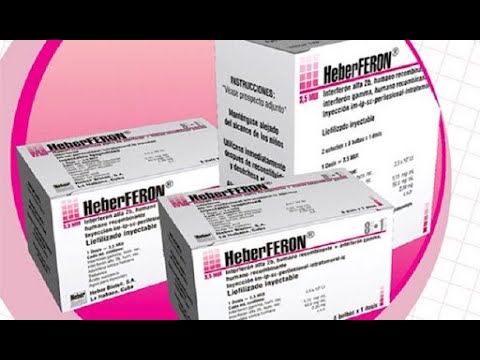
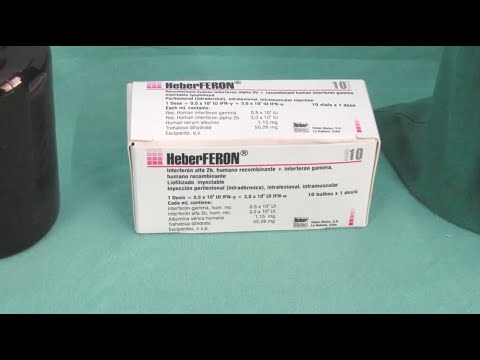
HeberFeron® is an injectable formulation that combines recombinant human interferon alpha-2b and recombinant human interferon gamma, both produced by the Center for Genetic Engineering and Biotechnology of Cuba (CIGB), in Havana.
The synergy between both interferons enhances the antitumor and antiviral effect of each one individually. The combination was developed and patented by CIGB researchers and has been registered in Cuba since 2016 for the treatment of basal cell carcinoma, its main indication. In 2022, it also obtained an additional registration for the treatment of COVID-19 patients.
HeberFeron is part of the portfolio of BioCubaFarma, the Cuban organization that groups the country’s biotechnology companies. Its sanitary registration in Cuba is the responsibility of the Center for State Control of Medicines, Equipment and Medical Devices (CECMED), the national regulatory body.
HeberFeron is presented in glass vials for injectable use, in three international unit (IU) strengths that allow the dose to be adjusted to the prescribed therapeutic regimen:
The combination of interferon alpha-2b and gamma activates four complementary mechanisms that converge on the destruction of tumor cells and the prevention of long-term recurrences.
Interferon gamma activates NK (natural killer) cells, macrophages and cytotoxic T lymphocytes, which recognize and destroy the tumor cells of basal cell carcinoma. This immune activation is especially effective in superficial and nodular lesions with low tumor volume.
Interferon alpha-2b inhibits DNA replication in tumor cells and arrests the cell cycle in G1 phase, preventing basal cell carcinoma cells from continuing to divide. This produces a visible stabilization of lesion size from the first weeks of treatment.
The synergistic combination induces targeted apoptosis of tumor cells via the caspase pathway. The clinical response —reduction in lesion size— is usually visible from the second week of perilesional treatment, with complete response in 70-85% of facial basal cell carcinoma cases.
Five-year follow-up of patients treated with HeberFeron shows that the immune response is maintained over time, with a recurrence rate of 4.2% compared to 33% in the group treated with conventional surgery, representing up to an 8-fold reduction in recurrences.
The formal indications of HeberFeron are approved by CECMED, the Cuban medicines regulator. The main and best-documented indication is basal cell carcinoma; the others correspond to clinical uses with evidence at different stages of development.
Treatment of previously diagnosed basal cell carcinoma, especially in facial locations where surgery would compromise aesthetics (nose, eyelids, lip, auricle).
Adjunctive regimen after surgical excision of low-risk squamous cell carcinoma in photoexposed areas, to reduce local recurrence.
Combined treatment with cryotherapy or topical 5-fluorouracil in extensive field cancerization (scalp, forehead, back of hands).
Intralesional treatment in condylomatous lesions refractory to imiquimod or cryotherapy, especially in immunocompetent patients.
The dose and route of administration of HeberFeron depend on the indication, anatomical location and type of lesion. The regimens below are indicative and must always be prescribed by a specialist.
| Indication | Route | Dose per session | Frequency | Duration |
|---|---|---|---|---|
| Facial basal cell carcinoma | Perilesional intradermal | 3,2 M UI | 2 times/week | 5 weeks (10 sessions) |
| Early SCC (adjunctive) | Intramuscular | 5 M UI | 3 times/week | 3 weeks (9 sessions) |
| Extensive actinic keratosis | Perilesional on target lesions | 3,2 M UI | 1 time/week | 4 weeks + topical 5-FU |
| Refractory condyloma acuminatum | Intralesional per lesion | 1,5 M UI/lesión (max. 5 lesions/session) |
3 times/week | 3 weeks (9 sessions) |
The doses and regimens are indicative and based on Cuban clinical practice. The actual prescription must be made by a specialized dermatologist or oncologist, who will adjust the dose according to the patient’s individual characteristics, the type of lesion and the observed clinical response.
HeberFeron is contraindicated in certain patients and requires medical monitoring throughout treatment. It is essential to review the complete leaflet and consult a specialist before starting treatment.
The most frequent adverse reactions observed in Cuban clinical trials are:
The clinical evidence for HeberFeron has been built in Cuban hospitals of the National Health System, with publications in indexed national and international journals.
Int J Radiol Radiat Ther · 12(1):20-21
Observational study in 20 patients with facial BCC treated with perilesional HeberFeron at the Juan Bruno Zayas Hospital (Santiago de Cuba). Result: 70% complete response. Adverse effects: arthralgia 28%, general malaise 25%, fever 20%.
Open publication →medRxiv preprint
Five-year follow-up of 96 patients with facial BCC treated with perilesional HeberFeron. Recurrence rate of 4.2% vs 33% in the conventional surgery group: 8 times fewer recurrences.
Open publication →Revista Médica Electrónica de Ciego de Ávila
Description of the first patients treated with perilesional HeberFeron in the central region of Cuba, with analysis of clinical response and tolerability in real-world practice conditions.
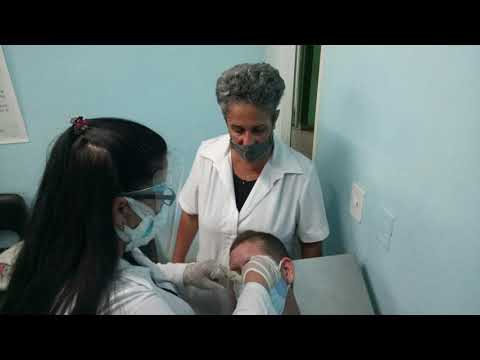
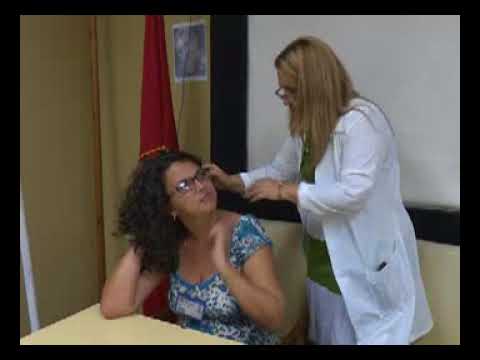
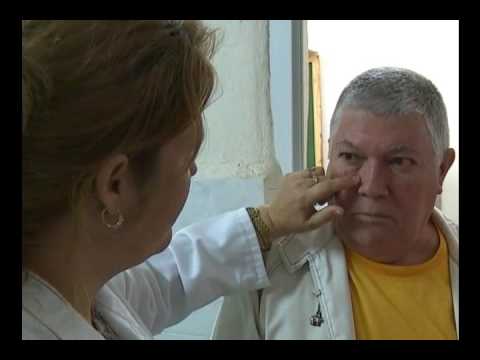
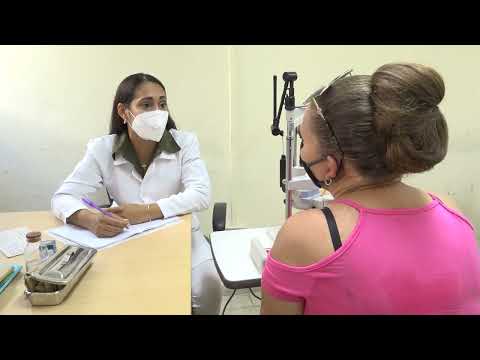
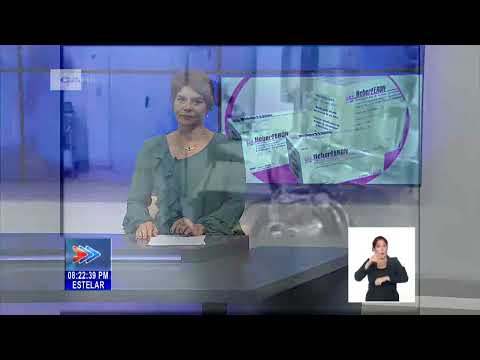
Open publication →Selection of reports, interviews and audiovisual pieces produced by Cuban media and BioCubaFarma system institutions on the use of HeberFeron in skin cancer treatment. Click any thumbnail to watch the full video on YouTube.





Consult the official sources for complete technical information about HeberFeron, including the summary of product characteristics issued by the Cuban regulator.
Medical notice. This site is strictly informative and does not replace specialized medical consultation. HeberFeron® is a registered trademark of CIGB. The information presented here is based on public sources from the manufacturer and the Cuban regulator. Any therapeutic decision must be made by a qualified healthcare professional after individual patient evaluation.